How Often Roof Cleaning Should Be Scheduled
People searching for how often roof cleaning should be scheduled are typically looking to maintain their roof's appearance and prevent damage, and local contractors can provide expert guidance and services to keep roofs clean and in good condition.
If you’re wondering how often roof cleaning should be scheduled, you’re in the right place. Property owners in the area often find that regular maintenance helps preserve the integrity and appearance of their roofs, especially given the local climate and common weather patterns. Keeping your roof free of moss, algae, and debris not only enhances curb appeal but can also prevent potential damage that might lead to costly repairs down the line. Local contractors who specialize in roof cleaning services understand the specific needs of properties in this region and can recommend a maintenance schedule tailored to your roof’s material and environmental conditions.
Continuing to explore this topic can help ensure your roof stays in top condition year-round. The frequency of roof cleaning can vary based on factors like roof type, surrounding trees, and local weather, making professional guidance especially valuable. Service providers in the area are equipped to assess your roof’s unique situation and suggest an appropriate cleaning schedule. This proactive approach can extend the lifespan of your roof and keep your property looking its best, all while avoiding unnecessary wear and tear caused by neglect or improper maintenance.
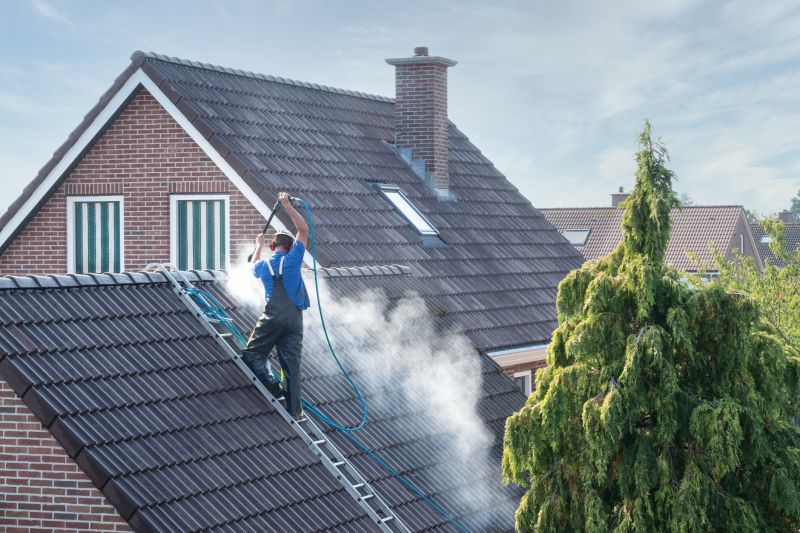
- Asphalt shingle roofs - local contractors often recommend scheduling roof cleaning annually or biannually depending on the presence of moss or algae growth.
- Tile roofs - service providers suggest cleaning every few years to prevent buildup that can cause damage or reduce lifespan.
- Wood shake roofs - local pros typically advise more frequent cleanings, such as once a year, to minimize moss and mold accumulation.
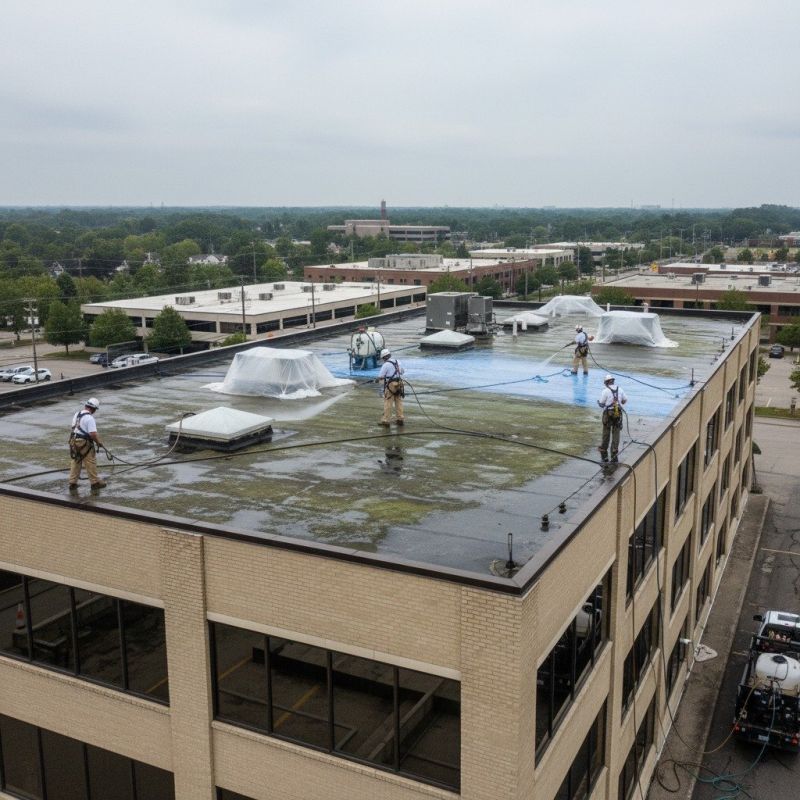
- Flat or low-slope roofs - professionals often recommend regular inspections and cleanings every one to two years to avoid debris buildup and water pooling.
- Metal roofs - local contractors usually suggest cleaning every couple of years to maintain appearance and prevent corrosion from organic debris.
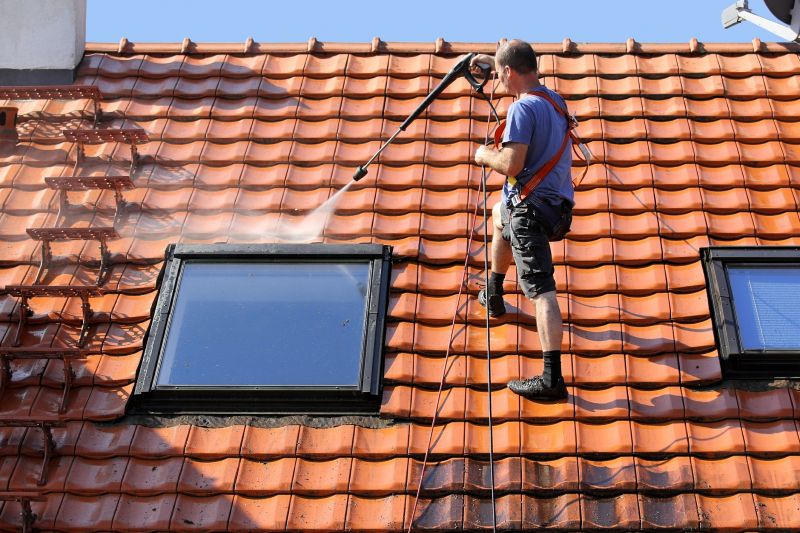
When homeowners inquire about how often roof cleaning should be scheduled, they are usually seeking guidance on maintaining their property's appearance and preventing potential issues caused by accumulated debris, moss, algae, or mold. This question often arises during routine property maintenance planning or when preparing for seasonal changes. People want to know the recommended frequency to keep their roofs in good condition, avoid costly repairs, and preserve curb appeal. Understanding the typical schedule helps homeowners plan ahead and ensures that their roofs remain functional and visually appealing over time. Local service providers who specialize in roof cleaning can assess individual properties and provide tailored recommendations based on local climate, roof material, and environmental factors.
The question about scheduling roof cleaning often relates to broader property management plans, especially for those concerned with long-term upkeep and preventing damage. Debris buildup, moss growth, and algae can lead to issues such as shingle deterioration, leaks, or blocked gutters. Homeowners may also be preparing for events like home inspections or sales, where a clean roof can enhance property value. The frequency of cleaning can depend on factors such as nearby trees, weather patterns, and roof type. For example, homes in areas with high humidity or lots of shade tend to require more frequent cleanings. Local contractors who provide roof cleaning services can evaluate these conditions and recommend a maintenance schedule that fits the specific needs of each property.
The types of properties that typically come up when discussing how often roof cleaning should be scheduled include residential homes, multi-family buildings, and small commercial properties. Single-family houses are the most common, especially those with mature trees nearby, which can deposit leaves and moss on the roof. Multi-unit residences and apartment complexes often require coordinated cleaning schedules to maintain overall appearance and prevent damage across multiple units. Commercial properties with flat or low-slope roofs may also be included, as debris accumulation can impact drainage and roof longevity. Service providers experienced in working with different property types can advise on the appropriate cleaning frequency, ensuring that each property’s unique features and environmental conditions are taken into account.
Ultimately, how often roof cleaning should be scheduled depends on several practical factors, including the local environment, roof material, and the presence of trees or shade. For most residential properties, an annual or biannual cleaning is common, but some may need more frequent attention if they are prone to moss or algae growth. Regular inspections by local contractors can help identify early signs of buildup or damage, guiding homeowners on whether to schedule additional cleanings. By establishing a routine maintenance schedule with experienced service providers, homeowners can better protect their roofs, extend their lifespan, and maintain the overall appearance of their property. Proper scheduling is a key part of proactive property care that ensures roofs stay in good condition for years to come.
Gutter Cleaning Services - gutter cleaning involves removing debris that can accumulate on roofs and lead to mold or moss growth, making it related to how often roof cleaning should be scheduled.
Roof Inspection Services - regular roof inspections help identify buildup or damage that may require cleaning, aligning with maintenance planning for roof cleaning frequency.
Moss and Algae Removal - services focused on removing moss and algae are directly connected to roof cleaning practices and determining appropriate cleaning intervals.
Exterior Home Cleaning - exterior cleaning projects often include roof washing, sharing similar tools and planning considerations for scheduling maintenance.
Chimney and Vent Cleaning - chimney and vent cleaning services involve working on roof structures and require planning around similar scheduling needs for roof upkeep.
Storm Damage Repair - storm damage repair often includes roof debris removal and cleaning, which influences how often roof cleaning should be scheduled for ongoing maintenance.
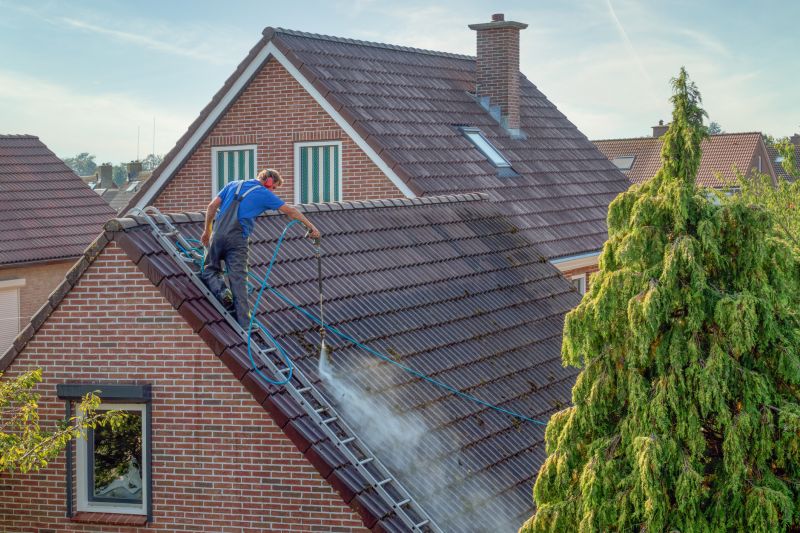
When evaluating different service providers for roof cleaning, it’s important to consider their experience with similar projects. Homeowners should look for local contractors who have a track record of handling roof cleaning jobs comparable to their own, as this can provide insight into their familiarity with various roof types and common issues. An experienced service provider is more likely to understand how often roof cleaning should be scheduled based on local conditions and specific roof materials, helping homeowners make informed decisions about maintenance frequency.
Clear, written expectations are essential when comparing local pros for roof cleaning services. Homeowners should seek providers who can clearly outline what the service includes, how the work will be performed, and what results to expect. Having detailed information helps ensure that everyone is on the same page regarding the scope of work, which can influence how often roof cleaning should be scheduled to maintain the roof’s appearance and integrity over time. Transparent communication about these details can also prevent misunderstandings and ensure the service meets the homeowner’s needs.
Reputable references and good communication are key factors in selecting a reliable roof cleaning service provider. Homeowners are encouraged to ask for references or reviews from previous clients to gauge the quality of work and customer satisfaction. Additionally, service providers who are responsive and willing to answer questions about the appropriate frequency of roof cleaning demonstrate professionalism and a commitment to customer service. These qualities can help ensure that the homeowner receives consistent, high-quality work and advice tailored to their specific roof and local conditions.
Property owners often search for how often roof cleaning should be scheduled when they are planning practical projects around their homes and businesses. Local pros provide Roof Cleaning Service services for everyday jobs and straightforward project options.
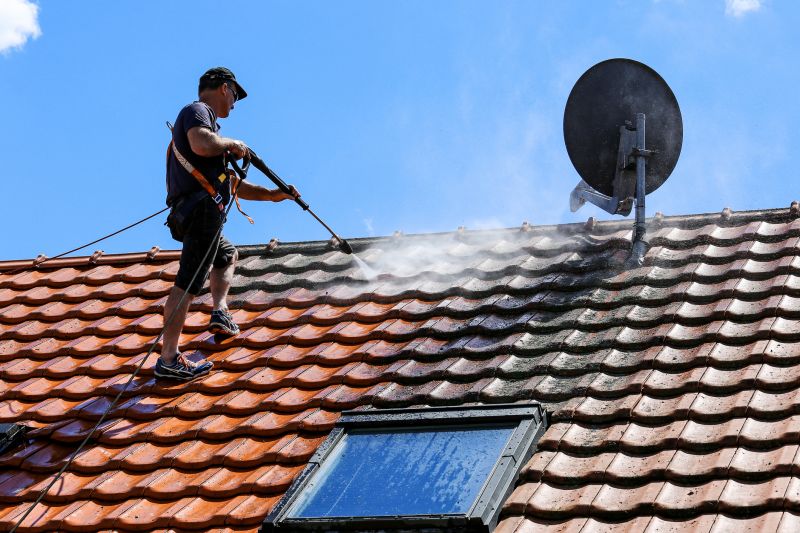
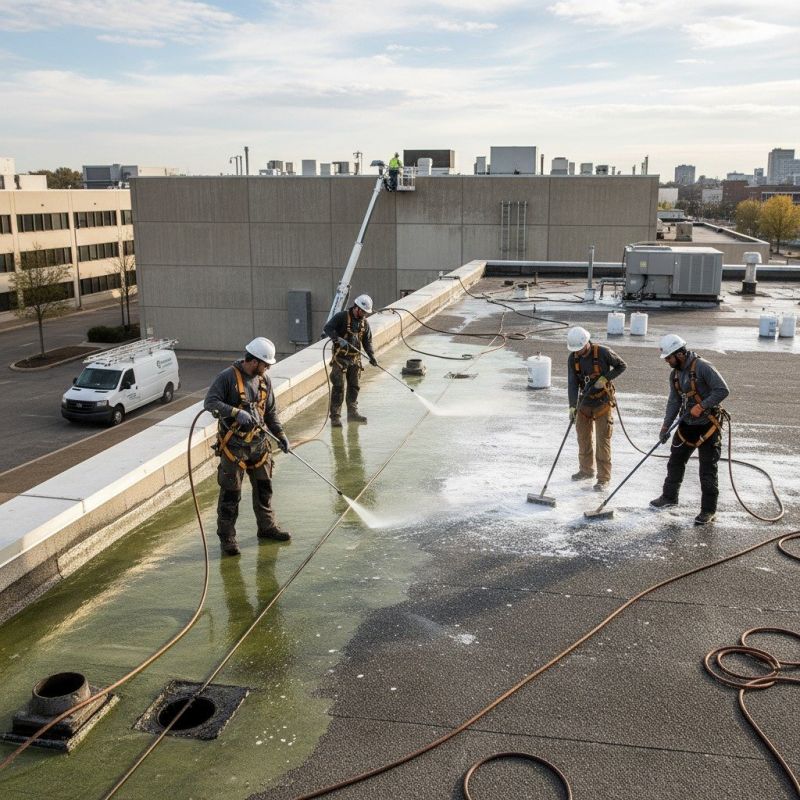
Property owners in the area often wonder how frequently roof cleaning should be scheduled to maintain their home's appearance and prevent potential damage. In many cases, local contractors recommend having a roof cleaned at least once every couple of years, especially if the property is surrounded by trees or experiences frequent weather events that can lead to moss, algae, or debris buildup. Regularly scheduled cleanings help keep the roof in good condition, prolong its lifespan, and enhance curb appeal, making it a common consideration for homeowners seeking to preserve their investment.
For those who notice dark streaks, moss growth, or accumulated debris on their roofs, consulting local service providers can provide tailored advice on the appropriate cleaning schedule. Factors such as roof material, local climate, and surrounding environment influence how often roof cleaning should be scheduled. Engaging with experienced contractors ensures that the job is performed properly and at intervals suited to the specific needs of the property, helping to avoid unnecessary wear or damage caused by neglect or over-cleaning.
How often should roof cleaning be scheduled? Typically, roof cleaning is recommended once every one to three years, depending on local environmental conditions and the presence of debris or moss. Local contractors can assess your roof’s condition and advise on an appropriate schedule.
What factors influence how often roof cleaning should be scheduled? Factors such as nearby trees, climate, and roof material can affect the frequency of cleaning. Service providers evaluate these elements to determine the best maintenance interval for your roof.
Is there a recommended schedule for maintaining different types of roofs? Yes, different roof types may require more or less frequent cleaning. For example, shingle roofs might need cleaning every one to two years, while metal roofs may require less frequent attention, with guidance from local contractors.
Can regular roof cleaning help extend the lifespan of a roof? Regular cleaning can remove damaging debris, moss, and algae, potentially prolonging the roof’s lifespan. Local pros can help establish a maintenance schedule that supports the longevity of your roof.
How do environmental conditions affect the scheduling of roof cleaning? Harsh weather, pollution, and nearby vegetation can accelerate debris buildup and moss growth, leading to more frequent cleaning. Local service providers can recommend a schedule based on these conditions.
Assess roof material and environment - property owners can consider the type of roofing and surrounding conditions to determine how often roof cleaning should be scheduled, with local contractors providing tailored advice.
Monitor for moss, algae, and debris - regular inspections for growth or buildup help decide when to schedule professional roof cleaning services from local pros.
Follow seasonal weather patterns - scheduling roof cleaning after heavy storms or seasonal changes can prevent damage, with local service providers offering guidance on timing.
Establish a maintenance routine - integrating roof cleaning into seasonal home care plans ensures consistent upkeep, with local pros assisting in setting an appropriate schedule.
If you are thinking about how often roof cleaning should be scheduled for a property, this guide is meant to help you understand this topic, the typical project types, and how different options might fit your plans.
When you are ready, you can use the quote form on this page to share a few details about your project. From there, local pros can review the basics and follow up with options that match what you have in mind.